Buying an electric car or scooter: what to check
GST, subsidies, road tax, charging at home, battery warranty, range and insurance: what is different when the vehicle you are buying is electric.
Updated · 7 min read
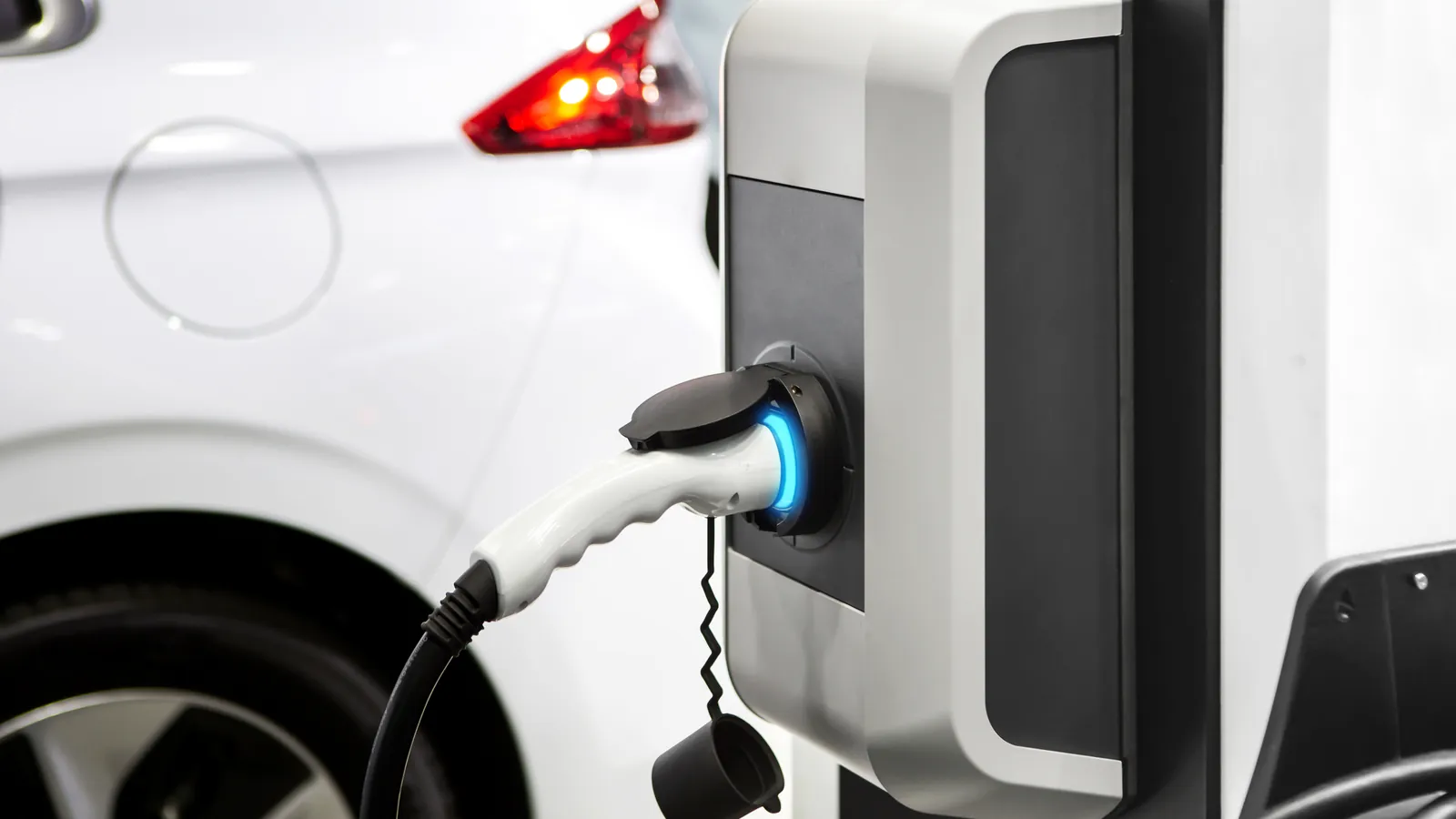
Buying an electric car or scooter is mostly like buying any other vehicle, with a few differences in what you pay, where you’ll charge and what you should read in the warranty. This guide covers those differences. For the rest of the quote, see how to read an on-road price quote.
The price: GST, subsidies and road tax
- GST is lower. Electric vehicles carry 5% GST, against 18% or 40% on petrol and diesel ones (the rates since 22 September 2025). It is already inside the ex-showroom price.
- The central two-wheeler subsidy has ended. The PM E-DRIVE purchase subsidy for electric two-wheelers ended on 31 July 2026. If a quote shows a “subsidy” line, ask which scheme it comes from; the Ministry of Heavy Industries’ PM E-DRIVE portal shows the current position.
- Road tax depends on the state. Many states charge less road tax on electric vehicles, or none, under their EV policies, and some waive registration fees too. Check the rate for your state in our road tax calculator by choosing Electric as the fuel.
- Green number plates. Private electric vehicles get green plates with white characters. You don’t need to ask for them; they come with the registration.
Charging: decide where before you buy
Most owners do most of their charging at home or at work, so work this out first.
- Scooters usually charge from a household socket with the charger in the box, or from a portable charger. Check whether a charger is included or is a separate line on the quote.
- Cars usually come with a portable charger, and makers offer a wall-mounted charger installed at home, sometimes for an extra charge. Ask what is included and who installs it.
- Apartments: you’ll need a parking spot you can wire to, and usually your association’s permission. Some electricity distribution companies offer a separate EV connection or tariff; ask yours.
- Public chargers are useful on trips. Their price per unit is set by the operator and is usually higher than at home, so check the networks on the routes you drive.
The battery warranty
The battery is the most expensive part of an EV, and it has its own warranty, separate from the vehicle’s. Read its terms before you choose a variant:
- How long it lasts, in years and kilometres, whichever comes first.
- What counts as a failure: many warranties cover the battery falling below a stated share of its original capacity, not only a breakdown.
- Whether it passes to the next owner if you sell the vehicle.
- What you must do to keep it valid, such as servicing at authorised workshops.
Range and battery size
The range on the brochure comes from a standard test, and real-world range is usually lower, depending on speed, air conditioning, load and traffic. Choose the battery size from your own longest regular day, with a margin, rather than from the brochure figure. A larger battery costs more up front, so there’s no point paying for range you’ll rarely use.
Insurance
The rules are the same as for any new vehicle: multi-year third-party cover is compulsory and the insurer is your choice. For an EV, look at add-ons that cover the battery, the motor and the charging cable or charger, and check the cashless garages that can repair EVs of your brand. See dealer insurance or your own for how to compare quotes.
A checklist
- Work out where you’ll charge, and get your association’s go-ahead if you live in an apartment.
- Pick the battery size from your real daily use.
- Read the battery warranty: years, kilometres, what counts as a failure, transfer.
- Check what’s included: portable charger, home charger, installation.
- Check road tax and fees for your state, with Electric as the fuel.
- Ask what any “subsidy” or “benefit” line on the quote refers to.
- Compare insurance quotes with battery and charger add-ons.
Electric clans
Clan Up runs clans for electric cars and scooters as well as petrol, diesel and CNG ones. The clan discount has a minimum guaranteed by Clan Up and comes on top of the manufacturer’s offer that month, and the Out-The-Door price sheet shows every statutory line at the official rate. See how it works or join the waitlist.
More guides
 CalculatorRoad tax and on-road price calculatorPick your state and enter the ex-showroom price to see lifetime road tax, registration fees and TCS for a new car or two-wheeler, from the official rates.
 Guide · 7 min readDealer insurance or your own? Insuring a new vehicleWhat the law requires for a new car or two-wheeler, why the dealer adds insurance to your quote, and how to compare their policy with one you buy yourself.